You Won’t Believe What I Discovered in Oaxaca—This Place Is Alive with Magic
Oaxaca isn’t just a destination—it’s a rhythm, a flavor, a pulse you feel the second you step into its sunlit streets. As someone who’s chased experiences over landmarks, I can say this: Oaxaca delivers soul-stirring moments at every turn. From handmade markets bursting with color to ancient rituals that still breathe today, it’s where culture doesn’t just survive—it thrives. If you're craving travel that moves you, not just impresses you, keep reading. This is real, raw, and absolutely unforgettable.
The Heartbeat of Oaxaca: Why This City Feels Different
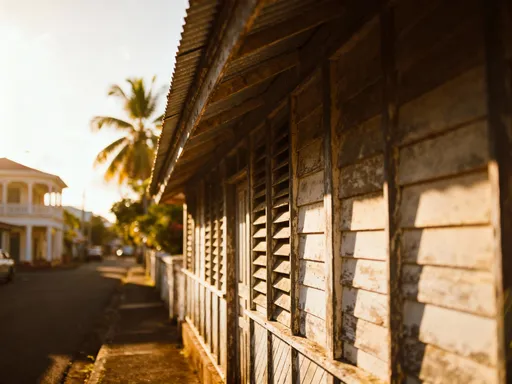
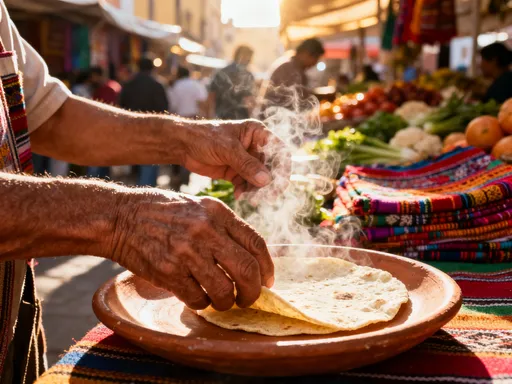
Oaxaca City pulses with a rare authenticity that few destinations can match. Nestled in a valley surrounded by rugged mountains, it is a place where time seems to move differently—slower, deeper, more intentional. The city’s soul is shaped by centuries of Indigenous heritage, primarily from the Zapotec and Mixtec peoples, whose traditions remain vibrant in everyday life. This is not a museum piece frozen in history, but a living culture that continues to evolve while honoring its roots. Walking through the historic center, a UNESCO World Heritage site since 1987, one immediately senses the harmony between past and present. Cobblestone streets wind beneath colonial-era buildings painted in warm ochres, deep blues, and terracotta reds. Churches with ornate Baroque facades stand beside bustling marketplaces where grandmothers sell handmade tortillas and handwoven textiles.
What sets Oaxaca apart from other Mexican cities is its deep cultural continuity. Unlike places where tradition has been diluted or commercialized, here it is lived. You hear it in the Mixtec spoken in quiet corners of the market, see it in the intricate embroidery of a woman’s blouse, and taste it in the complex layers of a properly made mole. The city’s artistic spirit is equally alive—murals cover alleyways, street musicians play marimba in the zócalo, and galleries showcase both contemporary and ancestral art forms. There is no rush to perform for tourists; instead, life unfolds naturally, and visitors are welcomed as observers and participants, not just consumers. This sense of authenticity is not accidental—it is protected by local pride, community stewardship, and a collective commitment to preserving what makes Oaxaca uniquely Oaxacan.
The atmosphere is both vibrant and peaceful. Morning brings the scent of roasting corn and freshly ground coffee drifting from open-air kitchens. Afternoon light bathes the city in golden hues, casting long shadows across plazas where families gather and dogs nap in the sun. By evening, the air fills with music and laughter as locals and travelers alike enjoy a leisurely *paseo*—a traditional evening stroll. Oaxaca does not dazzle with grand monuments or flashy attractions. Its magic lies in the details: the way a vendor smiles as she wraps your tamale in banana leaf, the sound of a weaver’s loom in a quiet village, the warmth of a shared meal with strangers who feel like friends. This is a city that invites you to slow down, to listen, and to feel.
Markets That Tell Stories: Tasting Culture at Mercado 20 de Noviembre and Mercado Benito Juárez
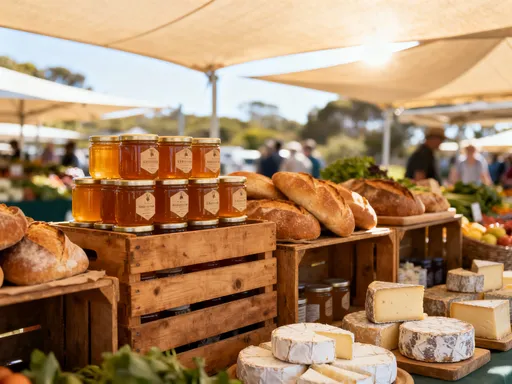
To understand Oaxaca, one must spend time in its markets—living archives of flavor, craft, and community. Two of the most renowned, Mercado 20 de Noviembre and Mercado Benito Juárez, are not just places to shop but spaces where culture is exchanged, preserved, and celebrated. These are not sanitized tourist bazaars but real, working markets where Oaxaqueños come daily to buy food, clothing, and household goods. The energy is electric—vendors call out their offerings, grills sizzle with meat, and the air is thick with the mingling aromas of chilies, herbs, and wood smoke. Every stall tells a story, and every purchase supports a family tradition.
Mercado 20 de Noviembre is best known for its *pasillo de humo*—the “aisle of smoke”—a narrow corridor lined with open grills where meats are seared over glowing coals. Here, you’ll find *tasajo* (thinly sliced beef), *cecina* (salted pork), and even *chapulines* (toasted grasshoppers), a local delicacy rich in protein and tradition. Watching a cook flip strips of meat with practiced ease, then serve them on handmade tortillas with salsa and avocado, is a lesson in culinary simplicity and depth. Nearby, women in embroidered blouses sell handmade mole pastes—complex blends of chilies, spices, nuts, and chocolate that form the heart of Oaxacan cuisine. Each family has its own recipe, often passed down for generations, and buying a brick of mole is like taking home a piece of someone’s heritage.
Just across the street, Mercado Benito Juárez offers a broader sensory journey. This covered market is a maze of stalls overflowing with fresh produce, flowers, medicinal herbs, and handcrafted goods. Bright pyramids of tropical fruits—mamey, sapote, and prickly pear—sit beside baskets of wild mushrooms foraged from nearby forests. Vendors offer samples of *quesillo*, Oaxaca’s stringy, mild cheese, and cups of *tejate*, a pre-Hispanic corn and cacao drink served cold. But perhaps the most captivating section is the textile aisle, where handwoven rugs, shawls, and table runners display dazzling geometric patterns in natural dyes. These textiles are not mass-produced souvenirs but works of art made in nearby villages using techniques unchanged for centuries.
What makes these markets truly special is the human connection they foster. A simple question about ingredients often leads to a ten-minute conversation, a shared laugh, or even an invitation to taste something new. Children help their grandparents stack avocados, elders sip coffee while discussing the day’s news, and tourists are greeted not as outsiders but as guests. There is no pressure to buy, only the quiet understanding that to be here is to participate. In a world where so much travel feels transactional, Oaxaca’s markets remind us that commerce can also be community.
Hands-On Heritage: Joining a Traditional Cooking Class
One of the most meaningful ways to connect with Oaxaca is through its cuisine—and few experiences are as transformative as a traditional cooking class led by a local *cocinera*. These are not demonstrations for passive observers but immersive lessons in flavor, history, and family. Many classes take place in home kitchens, where the scent of wood smoke lingers in the walls and recipes are measured by feel rather than written instructions. Others are held in boutique culinary studios that partner with local women’s cooperatives, ensuring that tourism directly benefits the community. Regardless of setting, the goal is the same: to teach not just how to cook, but how to understand.
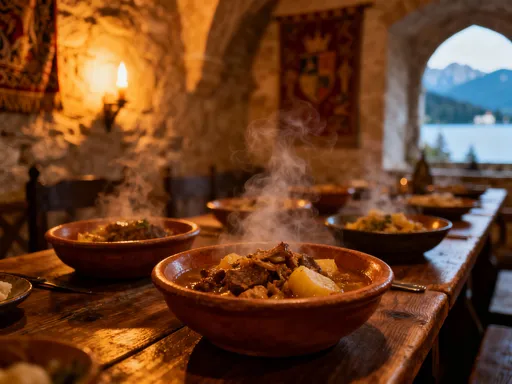
The star of any Oaxacan kitchen is mole—a rich, complex sauce that can contain over twenty ingredients and take an entire day to prepare. In a typical class, participants begin by toasting dried chilies—mulato, pasilla, ancho—over an open flame, their smoky aroma filling the air. Next comes the grinding, traditionally done on a *metate*, a volcanic stone mortar and pestle that has been used for millennia. While some modern kitchens use blenders, many instructors insist on the *metate* to teach the physical rhythm of the process. Spices like cumin and cloves are added, along with toasted nuts, plantains, and even a touch of dark chocolate. The result is a sauce that is deep, layered, and impossible to replicate from a recipe alone—it must be felt.
But mole is just the beginning. Students also learn to make handmade tortillas from nixtamalized corn, a process that transforms dried kernels into soft, fragrant dough. They shape tamales, fold empanadas, and prepare *tlayudas*—crispy, oversized tortillas topped with beans, cheese, and salsa. Throughout the class, the instructor shares stories: how her grandmother made mole for weddings, how certain ingredients are only available during specific seasons, how food is tied to identity. These are not cooking secrets but cultural truths, passed from one generation to the next.
By the end of the class, participants sit down to a meal they have helped create, sharing stories and flavors with fellow travelers. The experience lingers long after the last bite—because what you’ve learned is not just how to make a dish, but how to honor a tradition. In Oaxaca, food is not fuel. It is memory, it is celebration, it is love made tangible. To cook here is to be welcomed into a family, even if only for a few hours.
Beyond the City: Day Trips to Artisan Villages That Keep Traditions Alive
The cultural richness of Oaxaca extends far beyond the city limits, into a network of rural villages where artisan traditions have been preserved for centuries. These communities are not tourist attractions but living, working towns where craft is both livelihood and legacy. A day trip to any of them offers a rare opportunity to witness mastery in action and to support sustainable, community-based tourism. Among the most renowned are Teotitlán del Valle, San Bartolo Coyotepec, and Santa María Atzompa—each specializing in a distinct art form that reflects its history, environment, and identity.
Teotitlán del Valle, located about 30 minutes southeast of Oaxaca City, is world-famous for its handwoven rugs and textiles. The village has been a weaving center for over 500 years, and today, many families continue to use pedal looms powered by foot and hand. What makes these textiles truly special is the use of natural dyes—cochineal insects for red, indigo for blue, moss for green—sourced from the surrounding hills. Visitors are often invited into family workshops, where they can watch the entire process, from shearing the sheep to spinning the wool to dyeing and weaving intricate geometric or symbolic patterns. Some families offer hands-on experiences, allowing guests to try weaving a small piece under guidance. Every rug tells a story, often inspired by Zapotec cosmology, local flora, or ancestral symbols.
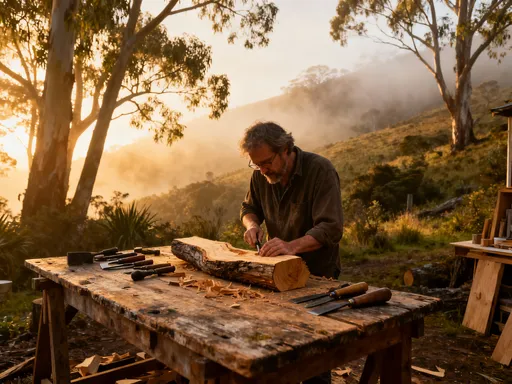
San Bartolo Coyotepec, just 20 minutes south, is the home of *barro negro*—black clay pottery that produces a distinctive, resonant sound when tapped. The craft dates back to pre-Columbian times, but it was perfected in the 20th century by master potter Doña Rosa, who discovered a polishing technique that gives the clay its signature shine. Today, her descendants and other artisans create everything from decorative vases and candle holders to musical instruments and kitchenware. A visit here often includes a demonstration of the entire process: shaping the clay on a wheel, polishing it with a quartz stone, and firing it in a wood-burning kiln. The results are both functional and artistic, with a depth of color and sound that machine-made pottery cannot replicate.
Further north, Santa María Atzompa is known for its green-glazed ceramics, a tradition that emerged during the colonial period. The bright, glossy finish comes from a lead-free glaze made from ground glass and minerals, applied to hand-shaped bowls, plates, and animal figurines. The village has faced challenges in recent decades, including competition from cheaper imports, but local cooperatives and cultural initiatives are helping to preserve the craft. Visitors can tour family workshops, see artisans at work, and purchase directly from the makers, ensuring that their support goes straight to the community.
These villages are best visited with respect and intention. While independent travel by bus or rental car is possible, hiring a local guide or joining a small-group tour often provides deeper access and more meaningful interactions. Visitors are encouraged to ask questions, take photos only with permission, and buy directly from artisans. More than souvenirs, these crafts are acts of cultural preservation—and every purchase helps keep centuries-old traditions alive.
Festivals That Transform the Ordinary into the Extraordinary
Oaxaca’s calendar is rich with celebrations that blend Indigenous, Catholic, and regional traditions into vibrant expressions of community and faith. Unlike staged performances for tourists, these festivals are deeply rooted in local life, involving entire towns in preparation and participation. Two of the most significant are *Día de los Muertos* (Day of the Dead) and the *Guelaguetza*—events that transform the ordinary into the extraordinary, filling the streets with color, music, and emotion.
*Día de los Muertos*, celebrated on November 1st and 2nd, is not a somber occasion but a joyful reunion with ancestors. Families clean and decorate graves with marigolds, candles, and offerings of food and drink. Inside homes, *ofrendas* (altars) are built to honor deceased loved ones, layered with photographs, sugar skulls, pan de muerto (sweet bread), and personal mementos. The air is fragrant with copal incense and marigold petals, believed to guide spirits back to the world of the living. In Oaxaca City, the cemeteries come alive at night, illuminated by candlelight and filled with music and prayer. In villages like Xoxocotlán, the celebrations are especially moving, with families gathering for all-night vigils. While tourists are welcome to observe, the emphasis is on respect—quiet presence, no flash photography, and a willingness to learn rather than intrude.
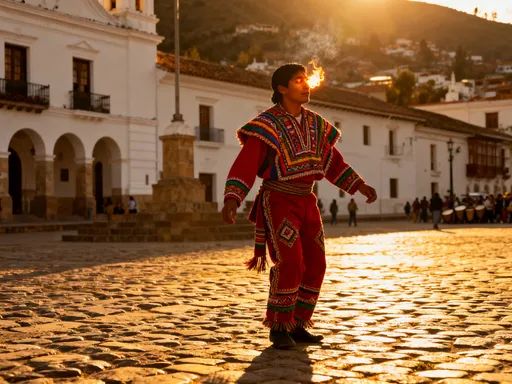
The *Guelaguetza*, held in July, is a celebration of Oaxaca’s eight ethnolinguistic groups. Over two Sundays, delegations from different regions perform traditional dances in elaborate costumes—embroidered dresses, feathered headdresses, and hand-carved masks. The word *guelaguetza* comes from the Zapotec language and means “reciprocal exchange,” reflecting the spirit of generosity and mutual respect that defines the event. Performances take place at the Guelaguetza Auditorium, a modern amphitheater with sweeping views of the city, but the festival extends into the streets, where food stalls serve regional specialties and artisans sell crafts. For visitors, attending the Guelaguetza is not just entertainment but education—an opportunity to witness the incredible diversity of Oaxacan culture in one place.
Other celebrations, like the Feast of Our Lady of Soledad in December or the patron saint festivals in individual villages, offer similar depth and beauty. The key to experiencing them authentically is timing and sensitivity. Travelers should research dates in advance, book accommodations early, and approach each event with humility. These are not shows; they are acts of faith, identity, and community. To witness them is a privilege—one that leaves a lasting impression of Oaxaca’s enduring spirit.
Hidden in Plain Sight: Off-the-Beaten-Path Experiences Only Locals Know
While Oaxaca’s main attractions are well deserved, some of its most memorable moments happen off the tourist trail—quiet, intimate experiences that reveal the soul of the place. These are not hidden because they are secret, but because they require curiosity, patience, and a willingness to slow down. A sunrise hike to Cerro del Fortín, the hilltop fortress overlooking the city, offers panoramic views as the first light paints the valley in soft pinks and golds. Few tourists make the climb before dawn, but those who do are rewarded with silence, a cool breeze, and the gradual awakening of the city below.
Another lesser-known gem is a visit to a family-run *palenque*—a small-scale mezcal distillery tucked into the countryside. Unlike commercial brands, these operations are often run by third- or fourth-generation producers who use ancestral methods: roasting agave in earthen pits, crushing it with a stone wheel, and fermenting it in wooden vats. Tastings are personal, led by the maker who explains the differences between *espadín*, *tobalá*, and other varieties. There is no menu, no price list—just a shared moment over small clay cups. These visits are best arranged through trusted local guides or cultural cooperatives to ensure ethical and respectful access.
For coffee lovers, a tour of a small organic farm in the Sierra Sur mountains offers insight into Oaxaca’s growing reputation for high-quality beans. Farmers welcome visitors into their homes, explain the harvest process, and serve fresh brews under the shade of banana trees. The experience is not about luxury but authenticity—dirt paths, simple tools, and deep knowledge passed down through generations. Similarly, a walk through the Ethnobotanical Garden in the city center reveals the medicinal and culinary plants that have sustained Oaxacan life for centuries, with guided tours led by local botanists.
These off-the-beaten-path experiences share a common thread: they are not designed for mass tourism. They require effort to reach, but they offer something rare—a genuine connection to place and people. Travelers should come prepared: wear comfortable shoes, bring water, and approach each moment with openness. The goal is not to check items off a list, but to let Oaxaca reveal itself, slowly and generously.
Traveling with Purpose: How to Experience Oaxaca Respectfully and Meaningfully
As Oaxaca grows in popularity, the responsibility to travel with care becomes more important. The city’s cultural wealth is not an endless resource but a delicate ecosystem sustained by its people. Responsible tourism means more than avoiding harm—it means contributing positively. This begins with supporting local artisans, chefs, and guides by purchasing directly from them, asking about their craft, and respecting their time and boundaries. A handmade rug, a bowl of mole, a guided tour—each choice can empower a family and preserve a tradition.
Language is another powerful tool. While many Oaxaqueños speak Spanish, learning a few basic phrases—*buenos días*, *gracias*, *¿cómo se llama esto?*—shows respect and opens doors. In Indigenous communities, even a simple gesture of politeness can deepen connection. Equally important is understanding cultural norms: dressing modestly for festivals, asking permission before photographing people, and recognizing that some traditions are not for public display. Sacred practices should never be treated as entertainment.
Travelers should also be mindful of consumption. Oaxaca’s environment and infrastructure face pressure from tourism. Opting for reusable bottles, avoiding single-use plastics, and choosing eco-conscious accommodations help reduce impact. When visiting natural sites, staying on marked trails and packing out waste ensures these places remain beautiful for future generations.
Ultimately, the most meaningful travel is not about collecting experiences but about cultivating connection. Oaxaca invites you not to observe from a distance, but to participate with humility and heart. To sit at a market table, share a meal, listen to a story—these are the moments that change us. When you leave, you carry more than souvenirs. You carry a deeper understanding of what it means to live with pride, creativity, and community.
Conclusion
Oaxaca doesn’t just welcome you—it invites you in. The true magic isn’t in checking boxes, but in letting the place change you. When you taste, touch, and take part, you don’t just visit Oaxaca—you become part of its story, even if just for a moment. This is a destination that rewards presence, curiosity, and respect. It asks not for perfection, but for openness. And in return, it offers something rare: a connection that feels both ancient and immediate. So go beyond the guidebooks. Seek the quiet moments, the shared smiles, the flavors that linger. Let Oaxaca remind you that the world is still full of wonder—and that the most unforgettable journeys are the ones that touch the soul.