You Won’t Believe What I Ate in Guanajuato—Culture on a Plate
Guanajuato isn’t just a feast for the eyes with its colorful alleys and colonial charm—it’s a full sensory explosion, especially for the taste buds. I went searching for culture and found it sizzling in street food stalls, simmering in family-run fondas, and baked into every handmade tortilla. This city doesn’t just serve food; it tells stories through flavor. From mole that’s been perfected over generations to sweet treats with Spanish roots, Guanajuato’s cuisine is its beating heart. Every bite carries echoes of ancient traditions, colonial influences, and the daily rhythms of local life. To taste Guanajuato is to understand it—not from a guidebook, but from the warmth of a shared table.
The Soul of Guanajuato: Where Culture Meets the Kitchen
Guanajuato’s culinary identity is a living tapestry woven from centuries of history, migration, and resilience. The city’s food culture did not emerge in isolation—it grew from the deep roots of Indigenous peoples, particularly the Chichimeca and Purépecha, who first cultivated maize, beans, squash, and chili peppers in this rugged highland region. When Spanish colonizers arrived in the 16th century, they brought with them new ingredients—wheat, dairy, pork, and sugarcane—and cooking techniques that slowly merged with native traditions. This fusion was not immediate or seamless, but over generations, it evolved into something uniquely Mexican, and more specifically, uniquely Guanajuatense.
The city’s prosperity during the colonial silver-mining boom further shaped its cuisine. Wealth from the mines allowed for greater access to imported goods and the development of refined culinary practices, especially among elite families who could afford elaborate meals with multiple courses. Yet even in these households, Indigenous influences remained strong—mole sauces, tamales, and handmade tortillas were never replaced, only elevated. Today, that same spirit lives on in both humble kitchens and celebrated eateries, where tradition is not preserved behind glass but served hot on a plate.
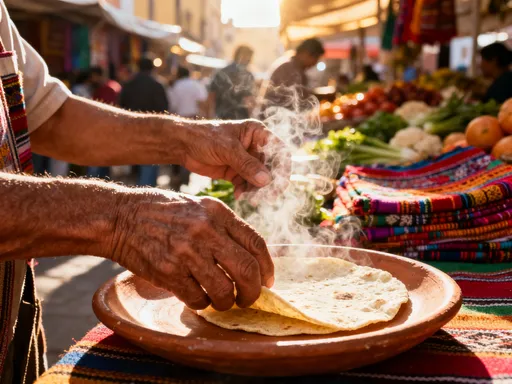
Walking through the historic center, one can feel how deeply food is embedded in the city’s identity. In family homes, grandmothers still grind spices in molcajetes, the volcanic stone mortars passed down through generations. At local markets, vendors proudly display heirloom varieties of corn and chilies, each with its own regional name and story. Food here is not just about sustenance; it is an act of memory, a way of honoring ancestors and maintaining cultural continuity. In Guanajuato, to cook is to remember, and to eat is to belong.
Street Food Chronicles: Flavors That Define the City
No introduction to Guanajuato’s cuisine is complete without immersion in its vibrant street food culture. As the sun sets over the steep cobblestone streets, the city transforms into a symphony of sizzling griddles, aromatic smoke, and cheerful vendor calls. The air fills with the scent of roasting meats, toasted corn, and freshly chopped cilantro—a sensory invitation impossible to resist. Street food in Guanajuato is more than convenience; it is a cornerstone of daily life, a democratic culinary experience where everyone, from students to retirees, gathers around small carts and foldable tables for a taste of authenticity.
Among the most beloved staples are tacos al pastor, a legacy of Middle Eastern immigration to Mexico that found its perfect expression in the hands of local taqueros. Marinated pork, stacked on a vertical spit and slowly roasted, is shaved thin and tucked into soft corn tortillas, then topped with pineapple, onion, and cilantro. The balance of savory, sweet, and spicy creates a flavor profile that lingers long after the last bite. Equally popular are gorditas—thick masa cakes split open and stuffed with refried beans, cheese, or shredded meat. Their crisp exterior and fluffy interior make them a satisfying choice at any hour.
Another local favorite is carnitas, tender chunks of pork slow-cooked in their own fat until golden and succulent. Served with warm tortillas, lime, and a selection of salsas ranging from mild to fiery, carnitas embody the richness of Mexican comfort food. A regional specialty worth seeking out is cecina, a salted and dried beef traditionally from nearby León, which is now widely enjoyed in Guanajuato. Often grilled and served with grilled cactus paddles—nopales—this dish offers a savory, slightly chewy texture and a deep umami flavor that speaks to the agricultural roots of the region.
One of the best places to experience this culinary energy is around the Jardín de la Unión, the city’s central plaza, where food stalls come alive in the evening. Musicians play folk tunes nearby, children laugh as they lick sweet paletas, and couples share platters of antojitos under the glow of string lights. It’s here, in this lively atmosphere, that visitors truly grasp how food functions as a social glue—connecting strangers, celebrating community, and turning a simple meal into a moment of joy.
Hidden Gems: The Best Local Eateries Off the Tourist Trail
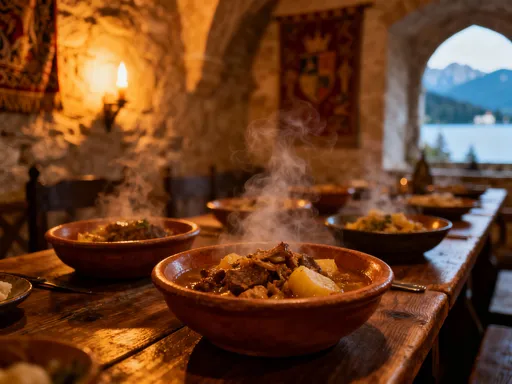
Beyond the postcard-perfect plazas and souvenir shops lies a quieter, more intimate side of Guanajuato—one that reveals itself in the city’s unassuming fondas and cocinas económicas. These small, family-run eateries are not listed in travel guides, nor do they have polished websites. Yet they are precisely where the soul of Guanajuato’s cuisine thrives. Tucked into side streets or nestled in residential neighborhoods, these spots serve hearty, home-style meals at modest prices, drawing loyal crowds of office workers, students, and elders who come daily for familiar flavors and warm greetings.
A typical fonda might have only a few tables, a chalkboard menu, and the constant hum of a kitchen just behind the counter. The offerings change daily, based on what’s fresh at the market—perhaps a rich caldo de pollo one day, a smoky chile relleno the next. What sets these places apart is not variety, but depth: a single dish, perfected through repetition and love. One might find a fonda where the beans are always cooked with epazote, a pungent herb that aids digestion and adds earthy complexity, or another where the rice is tinted golden with achiote and studded with peas and carrots.
The true hallmark of these kitchens is the presence of homemade salsas—small bowls of roasted tomato and serrano, or bright green tomatillo sauce, each with a distinct personality. These salsas are not afterthoughts; they are essential, transforming simple dishes into something extraordinary. Many of these recipes have been handed down from grandmother to mother to daughter, preserved not in cookbooks but in muscle memory and taste.
While specific names of these eateries may not be shared—both to protect their low-key charm and to avoid promoting unverified businesses—the experience of finding one is part of the journey. It requires slowing down, observing where locals queue, and trusting one’s instincts. A smile and a polite “¿Qué recomienda?” go a long way. In these spaces, tourists are not just served—they are welcomed, often with a side of conversation and a piece of advice about what to see next. It’s here, far from the curated tourist experience, that travelers gain a genuine sense of belonging.
The Art of the Meal: How Guanajuato Dines
In Guanajuato, eating is not a rushed act of refueling—it is a ritual, a social event, and often, the highlight of the day. The main meal, known as comida, is typically served between 2:00 and 4:00 PM, a schedule that reflects a slower, more intentional approach to life. Families gather around the table, work pauses, and even shops may close briefly to allow for this daily moment of connection. Comida is not just about quantity; it is about quality, rhythm, and the pleasure of shared time.
A traditional comida often begins with a soup—perhaps a light sopa de arroz or a heartier menudo on weekends—followed by a main course featuring rice, beans, a protein such as chicken, beef, or fish, and tortillas served fresh from the comal. Bread also plays a role, particularly bolillos, the crusty white rolls that are a staple across central Mexico. These are often split open and used to make tortas, filled with beans, avocado, and meat, or simply enjoyed with butter and a cup of coffee.
Coffee in Guanajuato is more than a beverage; it is a symbol of hospitality. Served in small cups, often sweetened and accompanied by a glass of agua fresca—a lightly sweetened fruit-infused drink—coffee rounds out the meal with warmth and conversation. Agua fresca flavors vary by season: hibiscus (agua de jamaica), tamarind, cucumber-lime, or the creamy blend of rice and cinnamon known as horchata. These drinks are not only refreshing but also deeply rooted in local agricultural traditions, made from ingredients grown in the surrounding valleys.
Mealtime etiquette in Guanajuato is relaxed but respectful. It is common to compliment the cook, to take time chewing, and to leave a little food on the plate as a sign that one has eaten well. Children are encouraged to try everything, and elders are served first. Even in casual settings, there is an unspoken understanding that food is sacred—a gift to be honored, not wasted. This reverence extends to festivals and religious celebrations, where communal meals bring together entire neighborhoods, reinforcing bonds that go far beyond blood.
Sweet Traditions: Desserts That Tell a Story
If Guanajuato’s savory dishes speak of history and resilience, its desserts sing of celebration, love, and legacy. The city’s sweet offerings are not mere afterthoughts; they are cultural artifacts, each with a story etched into its texture and taste. Among the most iconic is cajeta, a luscious caramel made from goat’s milk, sugar, and sometimes a touch of vanilla. Originating in the nearby town of Celaya, cajeta has become a symbol of the entire state of Guanajuato. Its deep amber color and velvety consistency make it a favorite for drizzling over ice cream, filling pastries, or eating by the spoonful.
The process of making cajeta is both labor-intensive and deeply traditional. Milk is simmered for hours over low heat, stirred constantly to prevent burning, until it transforms into a rich, golden syrup. Many families still make their own, especially during holidays like Christmas and Día de la Candelaria. Gifting a jar of homemade cajeta is a gesture of affection, a way of sharing sweetness and care.
Equally cherished are dulces de frutas—crystallized fruits preserved in sugar syrup. Common varieties include papaya, guava, and sweet potato, each cut into neat pieces and slowly candied until translucent. These treats are often sold in colorful arrays at markets and street stalls, wrapped in cellophane or displayed in glass jars. They are especially popular during festivals and family gatherings, where they are shared as tokens of goodwill.
Another unique dessert is chongos zamoranos, a sweet dish made from curdled milk, sugar, and cinnamon. Despite its unusual texture—soft, slightly chewy curds suspended in syrup—it is beloved for its comforting flavor and historical roots. It is said to have originated in the city of Zamora, Michoacán, but has long been adopted into Guanajuato’s culinary repertoire. Served warm or cold, chongos are often enjoyed as a late-night snack or a special treat for children.
Visiting a traditional sweet shop in the historic center offers a window into this edible heritage. Rows of glass cases display marzipan fruits, coconut macaroons, and almond brittle, each crafted with precision and pride. These shops are often family-owned, some operating for generations, their recipes guarded like heirlooms. To taste these sweets is to participate in a living tradition—one that sweetens not just the palate, but the soul.
Market Immersion: A Day at the Tianguis and Mercados
To truly understand Guanajuato’s food culture, one must step into its markets—the bustling, colorful heartbeats of daily life. The Mercado Hidalgo, located near the Plaza de la Paz, is a sensory wonderland where the rhythms of local cuisine come alive. From early morning until late afternoon, vendors call out their offerings, baskets overflow with fresh produce, and the air hums with the mingling scents of ripe mangoes, roasted chilies, and warm tortillas.
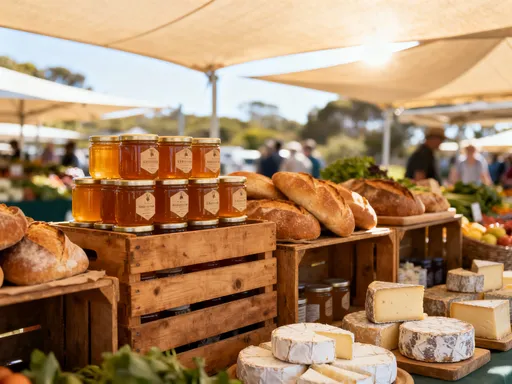
The market is organized into sections: one for fruits and vegetables, another for dried goods and spices, a corner for cheeses and dairy, and stalls dedicated to prepared foods. Bright pyramids of guavas, prickly pears, and purple mangos stand beside baskets of heirloom tomatoes and tomatillos. Dried chilies—anchos, guajillos, pasillas—are sold in bundles, their deep red hues promising complex flavors for moles and salsas. Local honey, harvested from nearby hives, glistens in glass jars, often infused with herbs like thyme or eucalyptus.
Artisanal cheeses are another highlight. Fresh queso fresco, crumbly and mild, is perfect for crumbling over beans or salads. Slightly aged varieties, with a firmer texture and tangier taste, are often used in cooking or served with fruit. Many of these cheeses come from small dairies in the surrounding countryside, where families raise goats and cows using traditional methods.
The market is more than a place to shop—it is a community hub, a space where neighbors catch up, recipes are exchanged, and food is celebrated in all its forms. Visitors are welcome to explore, though doing so with respect is essential. A polite greeting, a willingness to observe before photographing, and an openness to try small samples go a long way. Many vendors offer tastings—perhaps a slice of fresh cheese, a spoonful of cajeta, or a bite of handmade chorizo. These moments of generosity are not transactions; they are invitations to connect.
Culinary Travel Done Right: How to Eat Like a Local
Traveling through Guanajuato with a culinary mindset means more than sampling dishes—it means engaging with food as a form of cultural dialogue. To eat like a local is to slow down, to observe, and to participate with humility and curiosity. The first step is timing: aligning one’s schedule with local rhythms. Eating comida between 2:00 and 4:00 PM, for example, increases the chances of joining a bustling fonda or catching a family meal in progress. Breakfast, often a simple affair of pan dulce and coffee, is best enjoyed at a neighborhood bakery.
Spotting authentic eateries requires attention to detail. Look for places with handwritten menus, minimal signage, and a steady flow of local customers. A long line at a street cart is usually a good sign—especially if it includes workers in uniform or mothers with children. Avoid restaurants that cater exclusively to tourists with English-only menus and mariachi bands; while not inherently bad, they often lack the depth of flavor and connection found in quieter spots.
When ordering, don’t hesitate to ask for recommendations. A simple “¿Qué es lo más típico?” can lead to a heartfelt suggestion and a dish one might otherwise miss. Be open to trying new things—nopales, huitlacoche, or even chapulines if available—but also respect personal boundaries. Sharing food is common, so consider ordering a few dishes to pass around, mimicking the communal style of Mexican dining.
Engaging politely with vendors is key. A smile, a thank you in Spanish, and a willingness to wait patiently are appreciated. Tipping is not always expected at street stalls, but leaving a little extra is a kind gesture. Above all, approach each meal as an opportunity to learn—about ingredients, techniques, and the people who prepare them. Ask questions, listen to stories, and savor not just the flavors, but the moments.
Culinary travel, at its best, is slow and intentional. It means lingering over a cup of coffee, returning to a favorite stall, or accepting an invitation to a home-cooked meal. It is not about checking dishes off a list, but about building relationships—one bite at a time.
Conclusion
Guanajuato’s true magic lies not only in its rose-colored buildings, winding alleys, or world-renowned festivals, but in the everyday moments where culture is cooked, shared, and remembered. The city’s kitchens—whether in bustling markets, family fondas, or humble street carts—are where history comes alive, one plate at a time. Each dish carries the imprint of generations: the patience of a grandmother stirring mole, the pride of a vendor selling handmade tortillas, the joy of neighbors sharing a meal under the stars.
To travel through Guanajuato is to be invited into this living tradition. The most unforgettable souvenirs are not found in shops, but on the tongue—the smoky depth of a perfectly grilled cecina, the creamy sweetness of freshly made cajeta, the bright kick of a salsa roasted over an open flame. These flavors linger long after the journey ends, not as memories of taste alone, but as echoes of connection, warmth, and belonging.
So go beyond the postcards. Step off the main plazas. Follow the scent of roasting corn and simmering beans. Let your curiosity lead you to a small fonda, a market stall, a family table. In Guanajuato, the table is not just where we eat—it is where we come together. And in that coming together, we find the heart of the city, beating strong, one delicious bite at a time.