You Won’t Believe These Hidden Natural Wonders Near Canterbury
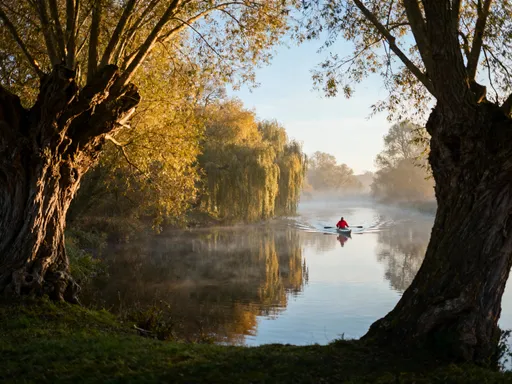
Think Canterbury is just about cathedrals and history? Think again. Tucked behind its ancient streets are breathtaking natural escapes most tourists completely miss. I’ve explored the quieter paths around this charming English city and discovered wildflower meadows, serene river trails, and woodlands that feel a world away. These hidden natural wonders offer peace, beauty, and a true sense of discovery. If you’re craving nature without the crowds, let me show you the secret side of Canterbury.
Beyond the Cathedral: Rethinking Canterbury’s Identity
Canterbury is often celebrated for its towering Gothic cathedral, centuries-old cobblestone lanes, and its deep-rooted place in religious and literary history. As a UNESCO World Heritage Site, it draws thousands each year eager to walk in the footsteps of pilgrims from Chaucer’s tales. Yet beyond the well-trodden tourist routes lies a quieter, greener Canterbury—one that few visitors take the time to explore. This is a city not only of stone and scripture but also of whispering reeds, sun-dappled woodlands, and meandering rivers that cradle life in surprising abundance.
Shifting the lens from history to habitat reveals a different kind of pilgrimage—one not to sacred buildings, but to sacred landscapes. The contrast between Canterbury’s urban heritage and its surrounding natural treasures offers travelers a richer, more balanced experience. A morning spent marveling at stained glass can be perfectly complemented by an afternoon wandering through a marshland alive with birdsong. This duality allows visitors to engage both the mind and the spirit, grounding historical reflection in the immediacy of the natural world.
Recognizing Canterbury as a gateway to Kent’s countryside encourages a slower, more intentional form of travel. It invites families, couples, and solo explorers alike to step off the beaten path and discover how nature enhances cultural immersion. When history and habitat coexist, the journey becomes layered, meaningful, and deeply personal. The city’s true charm may lie not just in what humans have built, but in how the land itself continues to breathe and thrive just beyond the city limits.
Stodmarsh National Nature Reserve: Where Wetlands Come Alive
Just five miles northeast of Canterbury, nestled in the gentle valley of the River Stour, lies Stodmarsh National Nature Reserve—a sanctuary of reedbeds, wet meadows, and open water that supports some of southern England’s rarest wildlife. Managed by Natural England and the Kent Wildlife Trust, this 690-acre reserve is one of the most ecologically significant sites in the region. Its intricate mosaic of habitats has earned it dual designations as a Site of Special Scientific Interest (SSSI) and a Special Protection Area under European conservation frameworks.
Visitors to Stodmarsh quickly understand why it’s a haven for birdlife. The dense reedbeds provide shelter for the elusive bittern, a once-vanished species that has made a quiet comeback thanks to targeted habitat restoration. The deep, resonant 'boom' of the male bittern at dawn is a sound few forget. Kingfishers flash like blue sparks along water channels, while marsh harriers glide low over the wetlands, scanning for small mammals and amphibians. Otters, too, have returned after decades of absence, their tracks occasionally spotted in the mud at first light.
Walking the network of boardwalks and footpaths offers an immersive experience. The main trail, accessible from the small car park off the A28, leads through tall stands of common reed and bulrush, with viewing platforms strategically placed for photography and observation. Early morning or late afternoon visits are ideal, when light slants across the water and wildlife is most active. Spring and summer bring a chorus of frogs, dragonflies, and warblers, while autumn floods transform the landscape into a shimmering mirror of sky and reed.
For those without a car, reaching Stodmarsh is still possible via a scenic 45-minute walk from Fordwich or a combination of bus and footpath from Canterbury. Comfortable, waterproof footwear is essential—some paths can be muddy, especially after rain. Binoculars and a field guide enhance the experience, though even casual visitors will be struck by the stillness and beauty of this watery world. With minimal signage and no commercial distractions, Stodmarsh feels refreshingly untouched—a place where nature leads and humans follow.
The River Stour: A Green Corridor Through the Countryside
Flowing for over 50 miles from its source near Ashford to the English Channel at Pegwell Bay, the River Stour weaves through Kent like a green thread, connecting villages, woodlands, and fields in a continuous tapestry of natural beauty. The stretch closest to Canterbury—particularly between the historic town of Fordwich and the ancient Blean Woods—offers some of the most accessible and picturesque riverside walking in southeast England. Here, the river moves at a gentle pace, reflecting willow branches and kingfisher flights in its clear waters.
One of the most enjoyable ways to experience the Stour is on foot. The Stour Valley Walk, a 50-mile trail that follows the river’s course, includes several well-marked segments ideal for day excursions. The section from Fordwich to Westbere, for instance, takes about two hours at a leisurely pace and passes through open farmland, secluded footbridges, and quiet hamlets. Along the way, walkers encounter old mill buildings, some restored, others in romantic ruin, reminders of the river’s past role in powering grain and paper mills during the 18th and 19th centuries.
For a more active adventure, kayaking or stand-up paddleboarding on the Stour provides a unique perspective. Local outfitters near Canterbury offer guided trips and equipment rentals, with launch points at Chartham Hatch and Westbere Lake. Paddling downstream, visitors glide past reed beds and overhanging alders, often startling a heron into flight. The water is generally calm, making it suitable for beginners, though checking tide times and water levels in advance is advisable, especially after heavy rain.
Families will appreciate the picnic areas near Westbere and Fordwich, where benches and grassy banks invite a relaxed lunch surrounded by birdsong. Dogs are welcome on leash, and children enjoy spotting minnows in shallow pools. Safety is straightforward: life jackets are recommended for water activities, and river access should always respect private property and conservation zones. The Stour is not just a scenic feature—it’s a living corridor that sustains both wildlife and human well-being.
How to Choose the Right Natural Escape for You
With several natural destinations within easy reach of Canterbury, selecting the right one depends on personal interests, physical ability, and the kind of experience you seek. Each location offers a distinct atmosphere and set of activities, making it possible to tailor your outing to your mood and needs. Whether you’re drawn to stillness, movement, discovery, or simply a change of scenery, there’s a perfect match waiting.
For birdwatchers and photographers, Stodmarsh National Nature Reserve stands out as the premier destination. Its rich biodiversity and quiet observation points make it ideal for those who enjoy patience and detail. The early morning hours reward visitors with the best light and the highest chance of spotting rare species. A tripod and zoom lens can make all the difference, but even smartphone users will find endless subjects—from dew-covered spiderwebs to the silhouette of a heron against the sunrise.
Those seeking gentle exercise and scenic views may prefer the riverside paths along the Stour. The terrain is mostly flat, with well-maintained surfaces suitable for strollers and walkers of most fitness levels. This makes it an excellent choice for families or older adults looking for a relaxed day outdoors. The option to combine walking with a riverside picnic or a stop at a village pub adds to its appeal. The sense of progress—moving steadily downstream—creates a natural rhythm that feels both calming and fulfilling.
If solitude and woodland immersion are your goals, then Blean Woods, just west of Canterbury, offers a different kind of retreat. As one of the largest remaining tracts of ancient woodland in Kent, it features towering oaks, bluebell carpets in spring, and a network of trails that wind through dappled light and mossy clearings. Unlike the open wetlands of Stodmarsh or the linear path of the river, Blean invites wandering and exploration. It’s perfect for those who value quiet reflection, mindfulness walks, or simply the feeling of being enveloped by trees.
Weather and time of year also influence the choice. Wet conditions favor the elevated boardwalks of Stodmarsh, while dry summer days are ideal for riverbank picnics. Autumn brings golden light and falling leaves to the woodlands, while spring bursts with wildflowers and newborn wildlife. By aligning your destination with your preferences and the season, you ensure a more rewarding and comfortable experience.
Practical Tips for Visiting Canterbury’s Natural Gems
One of the greatest advantages of Canterbury’s natural attractions is their accessibility, even for those without a car. Public transportation and well-connected footpaths make it possible to reach these serene spots with minimal planning. Buses from Canterbury city center serve Fordwich, Chartham, and other nearby villages, from which walking trails lead directly to the River Stour and surrounding woodlands. The 6 and 6A bus lines, operated by Stagecoach, stop frequently and are equipped to carry bicycles, allowing for flexible combinations of transit and exploration.
For cyclists, Kent’s growing network of signed cycle routes includes the Stour Valley Cycle Route, which parallels much of the river’s course. Bike rentals are available in Canterbury through local providers such as Canterbury Cycle Hire, with options for adults, children, and electric bikes. Helmets and locks are provided, and staff often offer printed maps highlighting safe paths and scenic detours. Cycling allows visitors to cover more ground while still enjoying the tranquility of the countryside.
Packing wisely enhances comfort and safety. A lightweight waterproof jacket is essential, as Kent’s weather can shift quickly. Sturdy walking shoes with good grip prevent slips on muddy or uneven paths. A small backpack with water, snacks, a map, and a fully charged phone ensures preparedness. While many trails have limited facilities, larger sites like Stodmarsh have nearby parking, toilets, and information boards. Always carry out any litter and avoid feeding wildlife, as even well-intentioned actions can disrupt natural behaviors.
Respecting conservation rules is not just courteous—it’s necessary for preserving these spaces. Stay on marked trails to protect fragile plant life and nesting areas. Dogs must be kept on a leash where required, especially during bird breeding seasons from March to July. Avoid picking flowers or disturbing fallen wood, which provides habitat for insects and fungi. These small acts of care ensure that future visitors, including children and grandchildren, will inherit the same beauty we enjoy today.
Why These Hidden Spots Matter: Conservation and Quiet Tourism
As global interest in nature-based travel grows, places like Stodmarsh and the Stour Valley face increasing pressure from foot traffic, litter, and habitat disturbance. Yet their ecological value is immense—these are not just pretty places, but vital refuges for species struggling to survive in a changing world. The return of the otter and the bittern, once thought locally extinct, is a testament to decades of careful management and habitat restoration. Continued success depends on visitors embracing the principles of quiet tourism: moving gently, observing respectfully, and leaving no trace.
Quiet tourism is not about isolation, but about mindfulness. It means arriving with curiosity rather than expectation, listening more than speaking, and allowing nature to set the pace. It values quality of attention over quantity of sights. When travelers adopt this mindset, they contribute to conservation simply by how they behave. A birdwatcher who stays on the boardwalk, a family that packs out their picnic waste, a cyclist who yields to walkers—these small choices collectively protect the integrity of the landscape.
Local conservation groups welcome responsible visitors as allies. The Kent Wildlife Trust, for example, offers volunteer opportunities for habitat maintenance, species monitoring, and guided walks led by trained naturalists. Donations and membership fees directly support land management and education programs. Even purchasing a guidebook or parking fee at a nature reserve contributes to upkeep. By supporting these efforts, travelers do more than enjoy nature—they help sustain it.
The importance of these spaces extends beyond wildlife. In an age of constant connectivity and urban density, access to quiet, natural environments is increasingly recognized as essential for mental health and well-being. Studies have shown that time spent in green spaces reduces stress, improves mood, and enhances cognitive function. For families, these areas offer children rare opportunities to learn about ecosystems through direct experience. For older adults, they provide safe, scenic places for gentle exercise and social connection. Protecting these lands is not just an environmental duty—it’s a public health imperative.
Conclusion: Rediscovering Canterbury Through Nature
Canterbury’s cathedral will always draw admirers, and its history will continue to inspire. But the city’s deeper magic lies in the contrast—between stone and soil, between pilgrimage past and natural present. The hidden landscapes just beyond its streets offer something equally profound: a chance to slow down, to breathe deeply, and to reconnect with the rhythms of the natural world. These are not mere add-ons to a city visit, but essential chapters in a fuller story of place.
From the whispering reedbeds of Stodmarsh to the flowing grace of the River Stour and the ancient silence of Blean Woods, Canterbury’s natural wonders invite exploration with wonder and care. They remind us that beauty often hides in plain sight, waiting only for a change in perspective. By choosing to wander beyond the postcard views, travelers gain not just memories, but a renewed sense of balance and belonging.
As you plan your next visit to this historic corner of England, consider making space for stillness. Let the call of a distant bird guide your steps. Let the scent of damp earth and wild mint fill your senses. And let the quiet joy of discovery remind you that the best journeys are not always to the most famous places, but to those that speak most deeply to the heart. May your travels be thoughtful, your footsteps light, and your connection to the natural world ever growing.